Cherry Hills Village Country Club Homes and Lifestyles
June 11, 2026
June 11, 2026
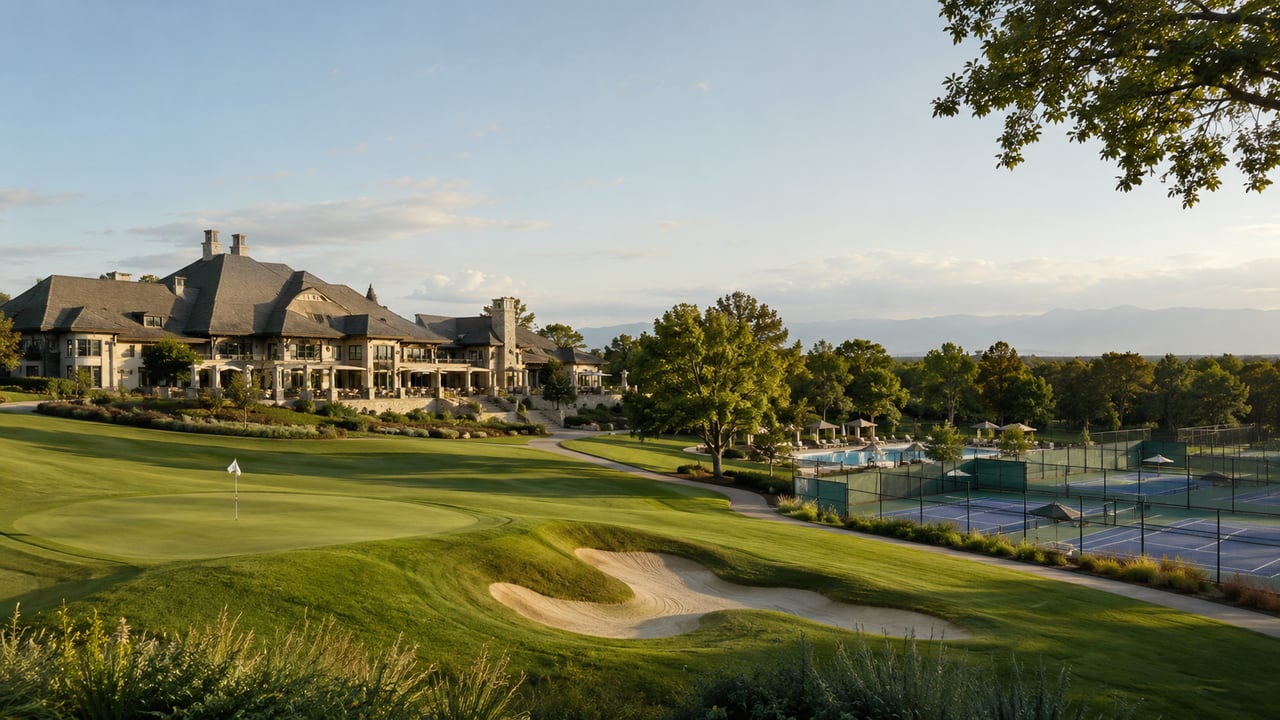
If you hear “country-club living” and picture only golf, this part of the Denver metro may surprise you. In Cherry Hills Village and Greenwood Village, that lifestyle can mean trails before work, tennis or pickleball after lunch, pool time on weekends, and a steady rhythm of dining and social events. If you are trying to decide which setting fits your routine, this guide will help you understand how the lifestyle really works here and what makes each community distinct. Let’s dive in.
In Cherry Hills Village and Greenwood Village, country-club living is not one single formula. It is better understood as a spectrum that ranges from legacy private golf culture to broader fitness, racquet, pool, and social experiences.
Cherry Hills Village is the quieter, more residential end of that spectrum. The city is 6.5 square miles with about 6,000 residents, and it emphasizes a semi-rural, pastoral, open character with a strong single-family pattern. Greenwood Village is larger at 8.3 square miles, with 15,691 residents and a daytime population of about 38,500, which contributes to a more active, service-rich feel during the workweek.
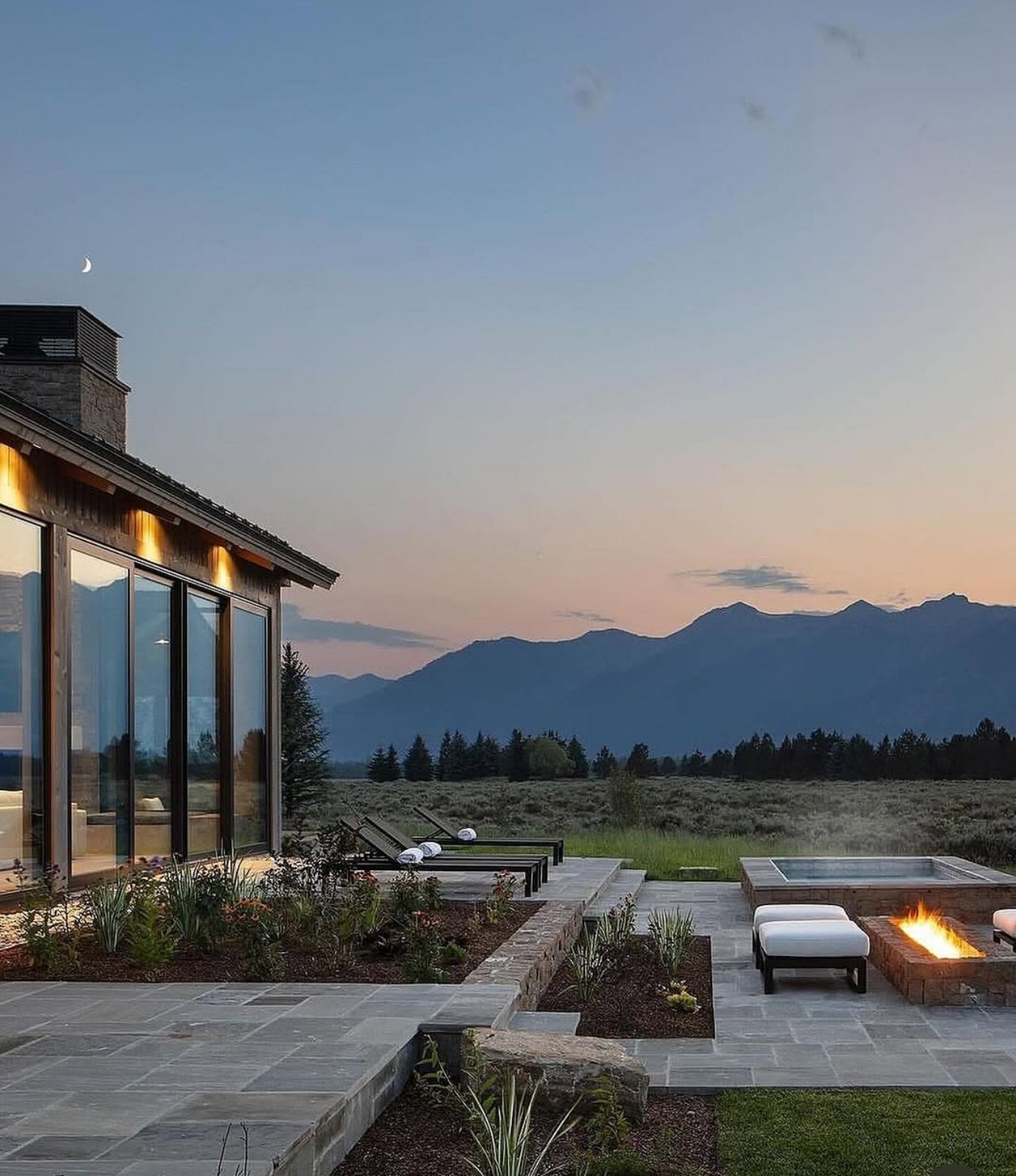
Cherry Hills Village is known for privacy, open space, and a more legacy-driven club atmosphere. The city highlights more than 34 miles of trails, the High Line Canal, parks and open space, and two prominent private golf clubs: Cherry Hills Country Club and Glenmoor Country Club.
That physical setting shapes daily life. You are more likely to experience country-club living here as a blend of residential calm, outdoor access, and highly curated club environments rather than a busier mixed-use pattern.
Cherry Hills Country Club is the clearest example of how golf culture influences the identity of the area. Founded in 1922 on 272 acres and designed by William Flynn, the club has hosted 14 national championships, including the 2023 U.S. Amateur.
That history matters because it reflects the kind of experience many buyers associate with Cherry Hills Village. It is polished, tradition-minded, and structured around member culture, including member or member-sponsored events and formal dress expectations in golf and racquet areas.
The lifestyle here is not only about clubhouse access. The High Line Canal is a signature recreational asset, and the city has invested in safer trail connections and resurfacing projects.
If you value daily movement and a quieter setting, that can be a major part of the appeal. A morning walk, run, or ride often feels just as central to the lifestyle as a tee time or dinner at a club.
Greenwood Village offers a broader and more varied version of club living. The city combines residential areas with a substantial business and amenity base, which gives it a more active rhythm and a wider mix of services.
Its recreation footprint is extensive. Greenwood Village reports more than 440 acres of parks, trails, and open spaces, about 40 miles of trails, and connections to the High Line Canal Trail and Cherry Creek Trail.
Greenwood Village expands the traditional country-club idea beyond golf. The city also maintains equestrian parks and trails, which supports the broader Cherry Hills corridor identity of open space, recreation, and outdoor living.
For many buyers, that means more flexibility in how you define an amenity-rich lifestyle. You may want golf and dining, or you may prefer tennis, pickleball, fitness classes, pools, and trail access close to home.
Because Greenwood Village has a strong daytime population, the area often feels more active during the week. That can translate into a lifestyle that feels easier to plug into if you want nearby services, a fuller activity calendar, and a broader menu of club-style options.
If your ideal routine includes fitness, racquet sports, social events, and practical day-to-day convenience, Greenwood Village often checks more of those boxes.
The clubs in this area are one reason the lifestyle can feel so tailored. Each one offers a different mix of access, culture, and amenities.
Cherry Hills Country Club represents the classic private-club model. It combines national golf pedigree with a structured member culture and a strong sense of tradition.
If you are drawn to legacy golf, formal club expectations, and a long-established social setting, this is the benchmark example in the corridor.
Glenmoor Country Club adds another important layer to the Cherry Hills Village club landscape. Located within Cherry Hills Village, Glenmoor offers a private, residential club setting with an 18-hole Pete Dye-designed golf course, a clubhouse, dining, tennis and pickleball, fitness, swimming, and event facilities.
Where Cherry Hills Country Club represents the area’s most historic legacy-golf identity, Glenmoor feels more integrated into day-to-day neighborhood life. It is especially relevant for buyers who want privacy, golf, family-friendly amenities, racquet sports, pool time, and social events in one club environment.
For many Cherry Hills Village buyers, Glenmoor is not just a nearby amenity. It is part of the lifestyle conversation, particularly for those drawn to a gated residential setting with club access woven into the rhythm of daily life.
Meridian Golf Club is a strong fit for buyers who are serious about the game itself. The club describes itself as a private Jack Nicklaus Signature Course and highlights extensive practice facilities, a full-service golf shop, locker rooms, a grille, banquet space, and a calendar of events.
This is an important distinction because it shows that some clubs in the area lean more golf-first than all-in-one social resort. For the right buyer, that focus is a feature, not a limitation.
The Club at Inverness illustrates the resort-style side of the market. It includes an 18-hole championship golf course, four dining venues, a full-service spa, indoor and outdoor pools, a 24-hour fitness center, and lighted tennis and pickleball courts.
Its membership structure also includes social access with fitness, pools, tennis and pickleball, plus discounts on spa and dining. If you want a broader lifestyle package under one roof, this is the strongest comparison point.
Arapahoe Tennis Club highlights the relationship-driven nature of some corridor amenities. The club is member-run and offers tennis, paddle, and pool amenities, with membership available by sponsorship only.
That matters if you are evaluating lifestyle fit. In this market, access is not always about proximity alone. It can also depend on club structure, sponsorship, and how comfortable you are with a more member-driven environment.
Club Greenwood broadens the definition of club living even further. Located in the Denver Tech Center, it is a 153,000-square-foot athletic and tennis club with seven indoor clay courts, three outdoor hard courts, eight pickleball courts, four pools, two heated lap pools, and more than 140 group fitness classes per week.
It also offers tennis and pickleball socials, open play, and multiple membership types, including family, corporate, and tennis-only options. For buyers who want amenities without a classic private golf model, this can be a very practical and appealing choice.
In this corridor, country-club living often shows up as a routine rather than a label. You might start the day on a trail, fit in a workout or lesson, attend swim practice or a racquet clinic, and end the week with dinner or a social event.
That repeatable rhythm is a big part of the value. The clubs and recreation systems here create built-in ways to stay active, meet people, and make the most of where you live.
The social side is not a minor extra. Cherry Hills Country Club and Glenmoor Country Club both contribute to the Cherry Hills Village private-club culture, while The Club at Inverness, Club Greenwood, and Meridian add their own mix of events, tournaments, fitness, racquet sports, and social programming across the broader corridor.
For many buyers, that makes the lifestyle feel more complete. It is not just about facilities. It is about having regular, predictable ways to connect and participate.
If you are choosing between the two, the difference often comes down to pace, setting, and the kind of club access you want.
Feature | Cherry Hills Village | Greenwood Village |
|---|---|---|
Overall feel | Smaller, quieter, more residential | More mixed-use and active |
Size and population | 6.5 square miles, about 6,000 residents | 8.3 square miles, 15,691 residents |
Outdoor assets | 34+ miles of trails, High Line Canal, parks and open space | 440+ acres of parks, trails, and open spaces, about 40 miles of trails |
Club identity | Legacy golf and private-club culture | Wider mix of fitness, racquet, golf, and social options |
Daily rhythm | Semi-rural, calm, residential | Service-rich, especially during the workweek |
Cherry Hills Village tends to appeal to buyers who want a quieter residential setting with a legacy-club backdrop. Greenwood Village often fits buyers who want more variety in recreation and a more convenient, active day-to-day environment.
Before you focus only on homes, it helps to understand how the club side of the lifestyle actually works. Access rules, membership categories, and culture can vary quite a bit from one club to another.
Some clubs are highly private or sponsorship-based, while others offer a wider range of membership types. That is why the phrase “country-club living” can mean very different things in the same corridor.
As you compare homes and communities, consider these practical questions:
Those answers can shape your home search more than you might expect. In a market like this, lifestyle fit and real estate fit often go hand in hand.
The housing profile in each community reinforces the lifestyle split. Cherry Hills Village has a 97 percent owner-occupied housing rate, a median owner-occupied home value above $2 million, and median household income above $250,000.
Greenwood Village is also affluent, but more mixed in form. Its owner-occupied rate is 64.1 percent, median owner-occupied value is $1.2378 million, and median household income is $149,029.
Those numbers do not tell the whole story, but they support what many buyers notice on the ground. Cherry Hills Village generally feels more purely residential and exclusive, while Greenwood Village offers a broader mix of housing context and lifestyle access.
The best choice is not about which community is better in the abstract. It is about which one matches the way you want to live.
If you picture privacy, a semi-rural setting, trails, and legacy golf culture, Cherry Hills Village may feel like the right fit. If you want more variety in clubs and recreation, along with a more active and convenient daily environment, Greenwood Village may be the stronger match.
If you are weighing Cherry Hills Village, Greenwood Village, or the surrounding club communities and want help comparing neighborhoods, lifestyle priorities, and available homes in this part of the Denver metro, Kara Johnston can guide you with strategic insight, local knowledge, and a highly personalized approach.
Stay up to date on the latest real estate trends.
SEAMLESS TRANSACTION. EXCEPTIONAL RESULTS. EXPERT GUIDANCE FOR EVERY STEP.
LET'S CONNECT