
Renovations That Can Actually Lower Your Home’s Value
Kara Johnston March 8, 2026
Kara Johnston March 8, 2026
In reality, it doesn’t always work that way.
Every week I walk through homes with buyers across the Denver area. Some renovations immediately elevate a property and strengthen the final sale price. Others quietly do the opposite. They limit the buyer pool, create objections, or make buyers mentally subtract value before an offer is even written.
The surprising part is that many of these projects are expensive and well intentioned.
Here are the renovations I most often see homeowners regret when it comes time to sell.
Kitchens matter. They are one of the most influential rooms in the home when buyers make decisions.
But bigger does not always mean better.
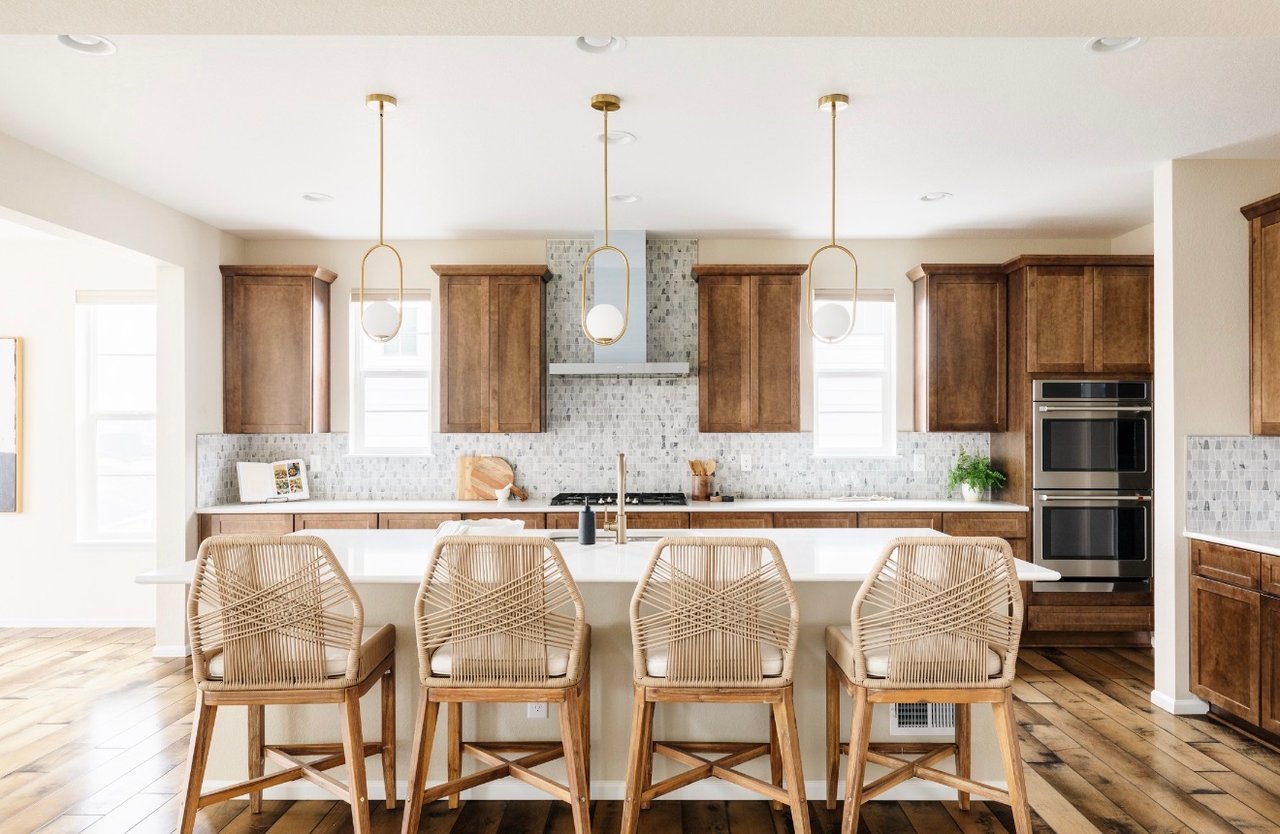
Large luxury kitchen remodels often return far less than homeowners expect. A high end renovation can cost $200,000 or more, yet many reports show sellers recoup only around 35 to 40 percent of that investment when the home sells.
Buyers appreciate an updated kitchen, but they rarely pay a premium large enough to cover an extravagant remodel.
What performs much better are strategic mid-range updates. New countertops, refreshed cabinets, modern appliances, and updated lighting can dramatically improve the feel of a kitchen without overcapitalizing the property.
Turning a bedroom into a custom closet, office suite, or home gym might feel perfect while you are living in the home.
But when it comes time to sell, bedroom count matters more than many homeowners realize.
One of the first filters buyers use when searching online is the number of bedrooms. Removing one permanently shrinks the pool of potential buyers before they even schedule a showing.
If you want to use a bedroom for another purpose while you live there, that is completely fine. Just avoid structural changes that eliminate the bedroom entirely. Flexibility preserves value.
Walk-in showers are popular, but removing every bathtub in a home can create a problem.
Many buyers, especially families with young children, view a bathtub as essential. Without one, some buyers immediately eliminate the home from consideration.
If you are upgrading a bathroom, the safest approach is balance. A beautiful walk-in shower paired with at least one tub somewhere in the home maintains broad appeal.
A modern soaking tub or a clean tub and shower combination keeps options open for future buyers.
Carpet once dominated most homes. Today, buyer preferences have shifted dramatically.
Many buyers associate carpet with wear, odors, and allergens. Even when it is clean, it often reads as something they will need to replace.
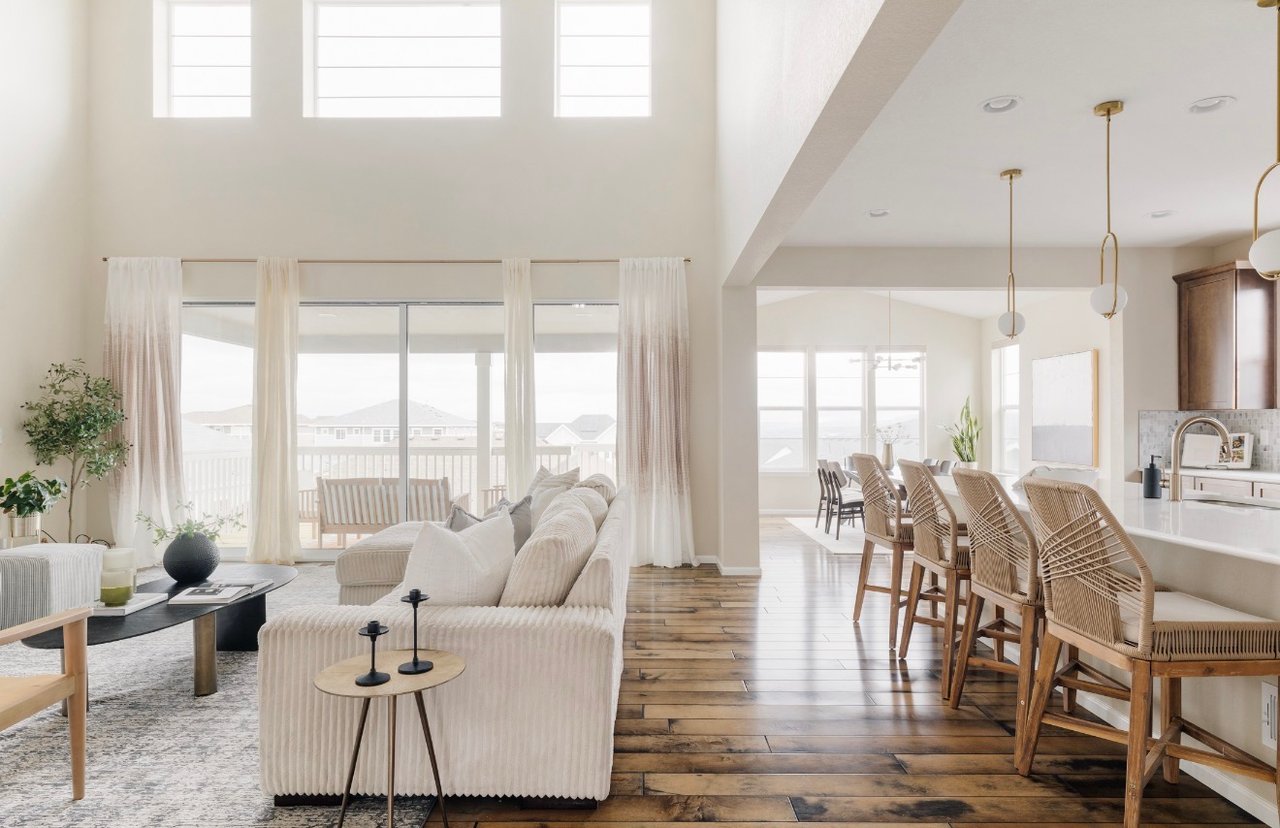
Hardwood floors remain one of the most desirable features in a home. Luxury vinyl plank has also become a popular alternative because it is relatively inexpensive, durable, waterproof, and visually clean.
Flooring that feels modern and easy to maintain consistently performs better when it is time to sell.
Design trends change quickly.
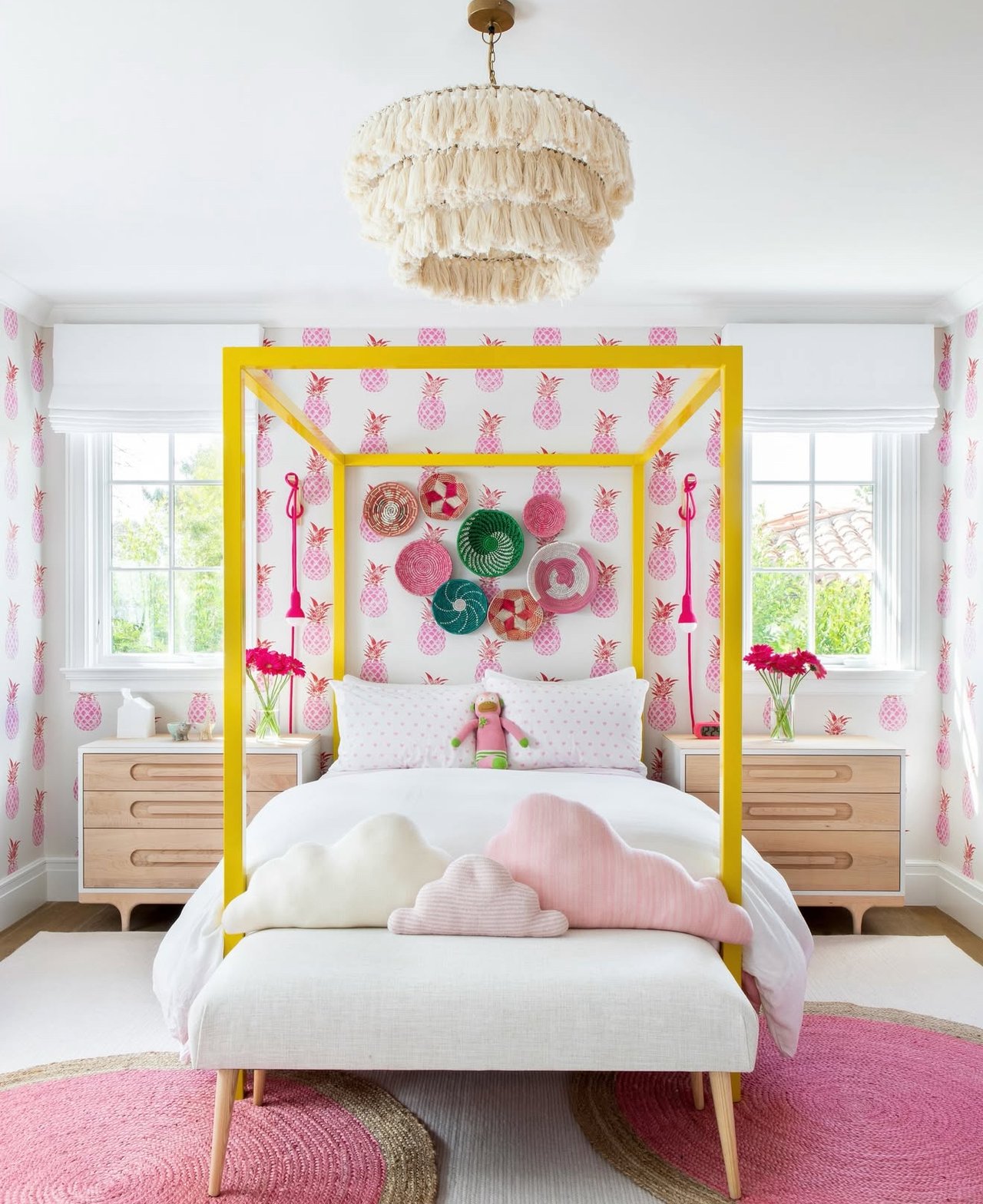
A dramatic accent wall or bold wallpaper may reflect a homeowner’s personal style, but buyers often see it as work they will need to undo.
When buyers walk into a home and immediately start planning what they will need to repaint or remove, it creates mental friction.
Neutral tones remain the safest choice for resale. Soft whites, warm neutrals, and light grays photograph well, brighten spaces, and allow buyers to focus on the home itself.
Do-it-yourself renovations can be tempting, but when electrical, plumbing, or structural work is done without permits or proper standards, the consequences often appear during inspection.
Unpermitted work can delay closings, force price reductions, or even cause deals to fall apart entirely.
When it comes to major systems, always use licensed professionals and pull the appropriate permits. Proper documentation protects both the seller and the buyer.
Transforming a garage into a gym, studio, or additional living space might feel like a clever way to gain square footage.
However, most buyers still want the garage for its intended purpose.
Garages provide parking, storage, and flexibility. Removing that function often reduces a home’s practicality and can limit buyer interest.
If you want to upgrade the garage, focus on improvements that enhance its usability such as storage systems, improved lighting, or an epoxy floor.
Not every renovation adds value. Some simply make a home more enjoyable while you live there, which can still be worthwhile.
But if resale value matters, strategy should guide every decision.
The right updates can increase buyer demand and strengthen your final sale price. The wrong ones can quietly reduce leverage when negotiations begin.
If you are thinking about renovating and want to understand which improvements truly add value in today’s market, I am always happy to share perspective before the work begins.
A quick conversation can often save homeowners from making expensive decisions that do not translate into stronger resale results. Reach out to Kara Johnston here.
Stay up to date on the latest real estate trends.

SEAMLESS TRANSACTION. EXCEPTIONAL RESULTS. EXPERT GUIDANCE FOR EVERY STEP.
LET'S CONNECT