
Why Buyers Hate Their Home After Closing
Kara Johnston April 8, 2026
Kara Johnston April 8, 2026
A lot of buyers think the hard part is getting the house under contract.
It is not.
The harder part is making sure you still feel good about the decision after the keys are in your hand, the adrenaline wears off, and real life starts happening inside the home.
Because post-closing regret usually does not come from one huge surprise. It comes from the smaller things buyers overlooked in the rush to win a house. The neighborhood noise they never checked. The HOA rule or special assessment they did not read closely enough. The sewer line they assumed was fine. The monthly costs that felt manageable on paper but not in real life.
The goal is not just to get the house.
The goal is to still love it once you are living in it.
Here are some of the biggest mistakes that can turn excitement into regret after closing.
This is one of the most overlooked parts of the home search, and it matters more than people think.
A street that feels calm and charming at 10:00 a.m. can feel completely different on a weekday morning, during school pickup, or late at night. The quiet block you fell in love with during a Saturday showing may come with barking dogs, cut-through traffic, crowded street parking, or noise patterns you would have noticed immediately if you had visited more than once.
You are not just buying the house. You are buying the experience of living there.
That means you need to see the neighborhood in real life, not just in showing conditions.
A lot of buyers look at the monthly HOA fee and stop there.
That is not enough.
The real financial risk is often buried deeper in the documents, especially in meeting notes, reserve studies, and pending project discussions. A special assessment that has already been approved or major deferred maintenance that is about to become everyone’s problem can dramatically change the cost of ownership.
It is not unusual for important details to be tucked into pages most buyers never read.
You need to know what you are stepping into before you close, not after.
This is one of the easiest mistakes to avoid and one of the most expensive if you do not.
A general home inspection typically does not evaluate the sewer line in full. That means tree root intrusion, cracks, offsets, collapses, or older lines nearing failure can go unnoticed unless you order a separate sewer scope.
And the cost difference is enormous.
A sewer scope may cost a few hundred dollars. A sewer line replacement can cost tens of thousands.
For me, this is not optional due diligence. It is part of protecting yourself from a major and very avoidable problem.
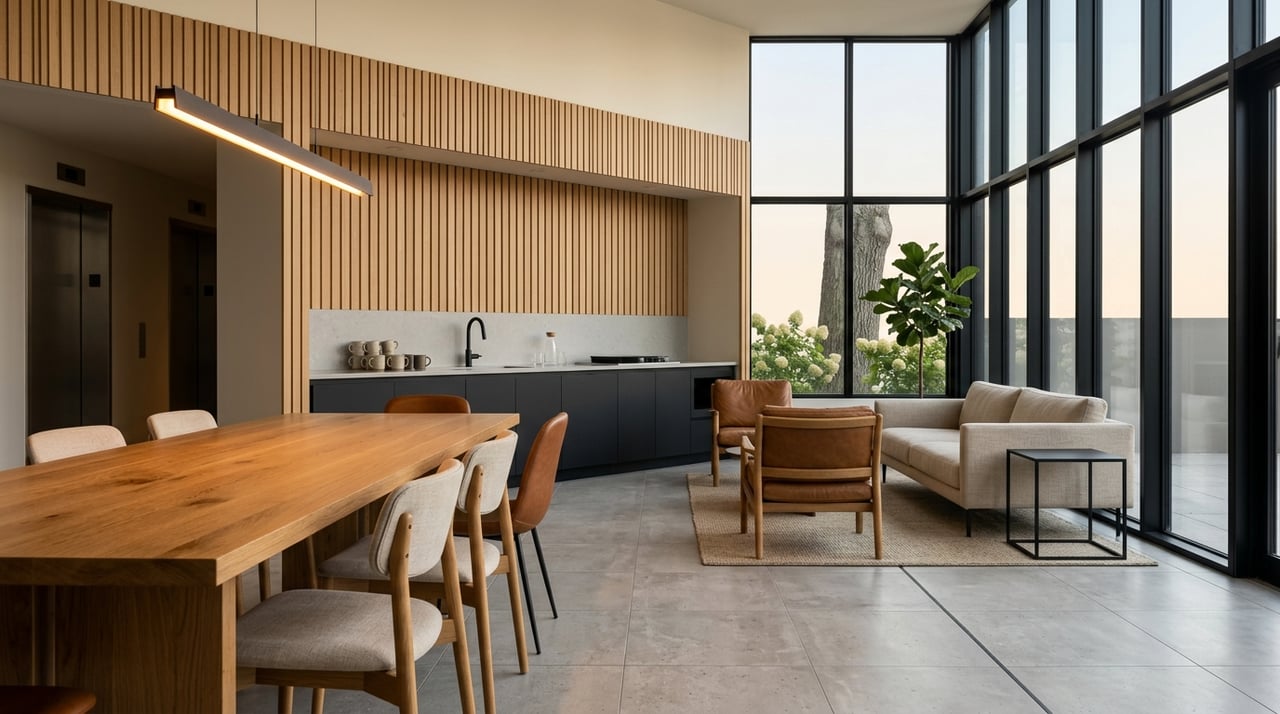
Staging is powerful because it creates an emotional connection. It helps buyers picture a lifestyle. It softens flaws. It makes a home feel finished, elevated, and easy to say yes to.
That is exactly why buyers need to be careful.
The beautiful furniture, the perfect lighting, the styling details, and the overall mood do not come with the house. What does stay are the actual systems, windows, layout, condition, and age of the home itself.
A furnace from 2009 is still a furnace from 2009, no matter how beautiful the sofa looks next to it.
Single-pane windows do not become energy efficient because the curtains are great.
A dated electrical panel does not stop being an issue because the dining room looks like it belongs in a magazine.
You are buying the property, not the presentation.
There was a period when waiving inspections became common, especially in highly competitive markets.
People are still paying for those decisions.
An inspection is one of the simplest ways to protect yourself during a purchase. It gives you information, leverage, and the opportunity to understand what you are actually buying before you own it. Foundation problems, electrical concerns, roof issues, moisture intrusion, aging systems, and structural surprises can all be caught before closing if you take the time to do proper due diligence.
A relatively small upfront cost can prevent a five-figure mistake.
No house is perfect. But you should know what is imperfect before you commit.
One of the fastest ways to feel financially stretched after closing is to budget around the mortgage payment alone.
Owning a home is always more than principal and interest. Property taxes, homeowners insurance, utilities, maintenance, seasonal costs, repairs, and ongoing upkeep all add to the true monthly cost of ownership. And depending on the property, those numbers can rise quickly.
If you do not budget honestly from the beginning, you risk ending up in a house you technically qualified for but do not actually enjoy owning.
That is how buyers end up feeling house poor within a matter of months.
The right home should support your life, not strain it.
This sounds small until you live with it every day.
Before closing, buyers should test how the home actually functions under normal use. Run multiple faucets. Turn on the shower. Flush toilets. See how quickly sinks drain. Pay attention to what happens when water is being used in different parts of the house at the same time.
If the water pressure drops to a trickle or the drainage is slow, that is not just a showing-day inconvenience. That becomes your morning routine.
Function matters just as much as appearance.
Buying a house is not the finish line.
Getting the right house, on the right terms, with the right due diligence, is what protects you from regret later.
The buyers who feel best after closing are usually not the ones who moved the fastest or got the most emotionally attached first. They are the ones who stayed grounded, asked the right questions, looked deeper, and made decisions from a place of strategy rather than urgency.
That is what helps you buy with confidence.
Because the goal is never just to get the house.
It is to still love it once you are living in it.
The right home should feel good on closing day and six months later.
If you are planning a move, let’s build a smarter strategy from the start. Start a conversation with Kara here.
Stay up to date on the latest real estate trends.






SEAMLESS TRANSACTION. EXCEPTIONAL RESULTS. EXPERT GUIDANCE FOR EVERY STEP.
LET'S CONNECT