The Pricing Formula I Use With Every Seller to Help Avoid a Price Reduction
Kara Johnston April 22, 2026
Kara Johnston April 22, 2026
Hope sounds like this:
Maybe the right buyer will come along.
Maybe we should leave room to negotiate.
Maybe someone will see the value and pay more.
But the market does not reward hope.
It rewards strategy.
If your home is priced too high from the start, buyers do not lean in. They hesitate. They compare. They wait. And once that happens, you are no longer leading the market. You are reacting to it.
This is the pricing formula I walk through with every seller who wants to position their home correctly from day one and avoid the price reduction cycle altogether.
The first place to begin is with closed sales from the last 90 days.
Not pending.
Not active.
Closed.
Why? Because closed sales are the only numbers that show where money actually changed hands. They tell us what buyers were willing to pay and what the market ultimately agreed on.
This is where I look closely at:
price per square foot,
days on market,
and the difference between original list price and final closing price.
That gap matters. It tells us whether homes were priced correctly, whether they sat too long, and how much negotiating room the market actually allowed.
There is another layer here that many agents fail to explain clearly enough: if a home closed in the last 90 days, it likely went under contract about 30 days before that. In other words, even those sold numbers are already lagging behind today’s market.
That is why pricing cannot be based on old momentum. It has to reflect current conditions.
Next, I look at the active competition.
What is currently on the market?
How long has it been there?
What has buyers’ attention and what does not?
This step is critical because active listings are your real competition. Closed sales are a history lesson. Active listings tell us what buyers are choosing between right now.
If a comparable home has been sitting for more than 60 days, the market has likely already spoken. Buyers saw it, considered it, and passed.
That usually points back to one thing: price.
Sellers often want to anchor to the highest listings they can find, but if those homes are stale, they are not supporting your value. They are warning signs.
This is the step that gets skipped far too often.
Looking at MLS photos is not enough.
To price strategically, you need to understand how your home actually compares in person. That means walking through the homes your buyers will also be touring and seeing them the way the market sees them.
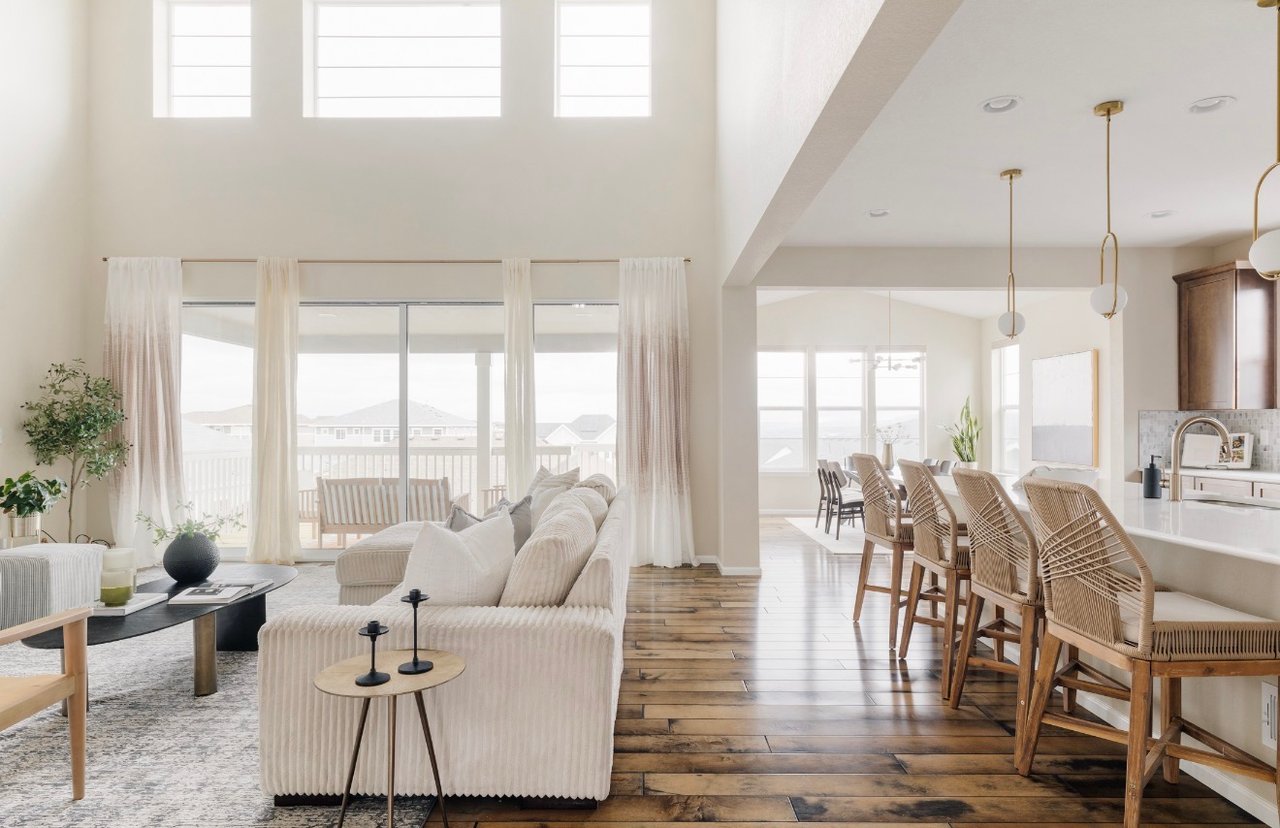
How does your natural light compare?
How does your layout live?
Does your kitchen feel more updated or less?
How does your lot, yard, finishes, or flow compare once you are physically in the space?
Photos can flatter. They can hide flaws. They can distort scale. Sellers need more than a screen-based pricing strategy.
You need to know what your competition feels like, not just what it looks like online.
This is the part many sellers resist at first.
I often recommend pricing a home about 3 to 5 percent below the current competition. Not below value. Below the overpriced listings that are already sitting.
That is not about discounting your home.
It is about positioning it to win.
Here is why it works.
Homes typically need about ten showings for every one offer. If you price too high in hopes of negotiating down later, you reduce traffic. And when traffic slows, momentum disappears.
That first window on market matters more than most sellers realize. It is when your listing feels new. It is when every active buyer sees it. It is when urgency is highest.
Miss that window by reaching too high, and buyers do not rush in. They pause. They compare. They wait for a reduction. And once the market starts questioning the price, you are already playing defense.
The goal is never to attract one interested buyer.
The goal is to create a deep bench.
Traffic creates urgency.
Urgency creates leverage.
Leverage is what protects your price when it is time to negotiate.
Sellers sometimes assume that pricing high protects them.
In reality, strategic pricing is what protects them.
Pricing correctly from day one does not mean giving your home away. It means putting your home in the strongest position to attract serious interest, create competition, and let the market work in your favor instead of against you.
A price reduction is not the goal.
Avoiding one is.
Getting the pricing right from the beginning is one of the most important decisions you will make in the entire selling process, because once the market starts losing confidence, it is much harder to get that momentum back.
You do not price a home based on what you hope will happen.
You price based on what the data says, what the competition looks like, and how buyers are behaving right now.
That is the difference between chasing the market and leading it.
If you are thinking about selling and want a pricing strategy rooted in proof, buyer psychology, and real-time market conditions, I would love to help you build it.
Ready to talk about what your home is actually worth right now? Contact Kara Johnston.
Stay up to date on the latest real estate trends.
SEAMLESS TRANSACTION. EXCEPTIONAL RESULTS. EXPERT GUIDANCE FOR EVERY STEP.
LET'S CONNECT