Everyday Life Around Congress Park And City Park
Kara Johnston April 16, 2026
Kara Johnston April 16, 2026
Looking for a Denver neighborhood that feels lived-in, connected, and easy to enjoy day to day? Around Congress Park and the East Seventh Avenue Historic District, you get a mix of historic streetscapes, major green space, and some of the city’s best-known cultural destinations close at hand. If you are trying to picture what everyday life really looks like here, this post will walk you through the parks, attractions, dining corridors, and neighborhood character that shape the experience. Let’s dive in.
One of the first things you notice around Congress Park and the East Seventh Avenue Historic District is the sense of place. In Denver’s East Central area, the city ties this part of town together through a mix of parks, cultural attractions, shops, restaurants, and historic landmarks, with Colfax Avenue acting as a major connecting corridor. You feel that blend in the rhythm of the streets, where residential blocks and active commercial areas sit close together.
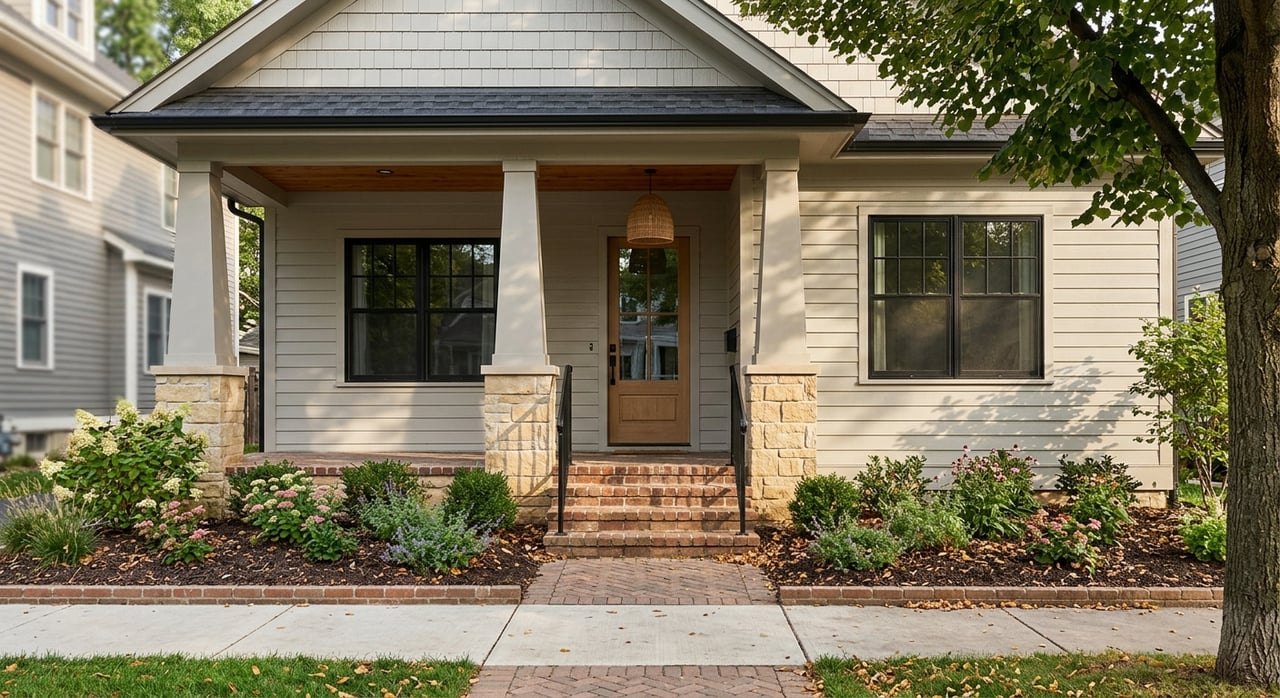
The built environment is a big part of the appeal. Denver notes that the formal district name is the East Seventh Avenue Historic District, designated in 1993, with a period of significance through 1943. City guidance for the East 7th Avenue parkway also emphasizes preserving the original street cross section, sidewalks, tree lawns, setbacks, vegetation, curb and gutter, and open space, which helps explain why the corridor feels so distinct and visually cohesive.
There is also real architectural history here. According to a Denver landmark release on the Stahl House, the 1889 home was among the first built in what is now Congress Park and was designed in the Queen Anne style by William Lang. For you as a buyer or someone simply exploring the area, that kind of long-standing historic fabric adds depth to everyday walks and drives.
If your ideal neighborhood includes easy outdoor time, this area has range. City Park is Denver’s largest urban park, established in 1882 and spanning nearly 320 acres. The park includes paths, picnic areas, tennis courts, athletic fields, and an event venue, which means it supports both low-key daily routines and bigger weekend plans.
That scale matters in real life. On a typical week, City Park can mean morning walks, space to spread out, or meeting friends outdoors without having to leave central Denver. On weekends, it can shift into a bigger destination with room for events, recreation, and longer outings.
Congress Park itself is also seeing meaningful investment. The city says the playground was completed in summer 2024, sports courts are being renovated for tennis and basketball, and the pool was selected for an Elevate Denver bond project because it is one of the city’s older pools and needed extensive upgrades. That tells you this is not just a neighborhood with established amenities, but one where public spaces are still being improved.
One of the advantages of living near City Park is that major Denver institutions are woven into the area instead of feeling like occasional, far-off destinations. The Denver Zoo Conservation Alliance says its campus covers 80 acres and includes more than 3,500 animals representing more than 350 species. Nearby, the Denver Museum of Nature & Science is another everyday anchor for the area and includes the planetarium and Infinity Theater.
That proximity changes how you use the neighborhood. You can build museum visits, zoo trips, or repeat family outings into a normal month instead of saving them for special occasions. For people relocating to Denver, this is one of those location advantages that becomes clearer once you imagine your real schedule, not just a map.
The Denver Botanic Gardens York Street campus adds a different kind of destination nearby. The campus includes 24 acres of gardens, indoor and outdoor collections, the Mordecai Children’s Garden, art galleries, film programming, and on-site dining options including Offshoots Café, Hive Garden Bistro, and Copper Door Coffee Roasters. That gives you an easy option for a quick coffee stop, a longer afternoon visit, or a more relaxed weekend outing.
A strong neighborhood lifestyle is not only about what exists nearby. It is also about whether those places support different kinds of days. Around Congress Park and City Park, you can keep things very simple or make a full day of it.
A quieter weekend might look like this:
A busier weekend could include:
That flexibility is a big reason these neighborhoods stand out. You are not choosing between calm residential blocks and city activity. In many parts of this area, you can enjoy both in the same day.
The neighborhood’s energy also shifts with the seasons. Visit Denver’s guide to East Colfax and City Park points to recurring events like City Park Jazz in summer, the Colorado Black Arts Festival in July, Zoo Lights in winter, and the Colfax Marathon finish in City Park. These events reinforce that City Park is more than open space. It is also a gathering place with a steady public life.
For you, that can mean the neighborhood feels different throughout the year without losing its core identity. Summer may bring more outdoor events and activity, while winter still has destination appeal thanks to seasonal programming. That variety can make a neighborhood feel engaging over time, especially if you value having things to do close to home.
When people talk about the area around Congress Park and City Park, Colfax often comes up for good reason. Visit Denver describes the corridor as lined with eateries, bars, brewpubs, shops, entertainment, and live-music venues, while 17th Avenue is noted for cafes, bistros, pubs, fine dining, and outdoor patios. That gives the neighborhood a lively evening texture and plenty of options without requiring a long drive.
Colfax is also important from a mobility standpoint. Denver says East Colfax Avenue is the city’s busiest transit corridor, carrying nearly 20,000 travelers a day. In practical terms, that helps explain why the corridor feels active, connected, and more urban than the quieter residential streets nearby.
That contrast is part of the neighborhood’s appeal. You can spend time on blocks that feel more historic and residential, then quickly reach a corridor with a faster pace and more movement. For buyers who want character without feeling cut off from the city, that balance is worth paying attention to.
From a lifestyle perspective, this part of Denver offers a combination that is hard to replicate. The city’s East Central Area Plan frames the broader area around local economy, housing affordability, safer streets, historic preservation, and quality design. Those themes line up closely with what many buyers look for when they want both neighborhood identity and long-term livability.
If you are comparing Denver neighborhoods, this area tends to stand out for a few clear reasons:
For relocators, that means a neighborhood where it is easier to build routines quickly. For local buyers, it can mean staying central while gaining a more layered day-to-day lifestyle.
At its core, everyday life around Congress Park and the East Seventh Avenue Historic District is about options. You have historic blocks that reward a slower pace, major parks that support outdoor routines, cultural anchors that make weekends easy, and a corridor like Colfax that keeps the area active and connected.
That does not mean every block feels the same, and that is part of the appeal. Some stretches lean quieter and more residential, while others are shaped more by activity, dining, and transit. If you are searching for a part of Denver that blends character, convenience, and true day-to-day usability, this pocket of East Central Denver deserves a close look.
If you are thinking about buying or selling in this part of Denver, Kara Johnson can help you evaluate the block-by-block differences, understand how lifestyle and location fit your goals, and move forward with a smart strategy.
Stay up to date on the latest real estate trends.

SEAMLESS TRANSACTION. EXCEPTIONAL RESULTS. EXPERT GUIDANCE FOR EVERY STEP.
LET'S CONNECT