10 Things I Never Buy Anymore After Helping Clients Prepare Homes for Sale
Kara Johnston January 18, 2026
Kara Johnston January 18, 2026
Boxes. Closets packed tight. Storage rooms filled with things that once felt like a good idea — and now feel overwhelming.
By the time we’re preparing a home for sale, much of it ends up donated, trashed, or shoved into a storage unit that won’t be opened again until the next move.
Watching that cycle repeat has changed how I buy, how I organize, and how I help clients prepare their homes. These aren’t design rules. They’re lived-in lessons from seeing what actually causes stress, friction, and lost value when it’s time to sell.
Here are the ten things I no longer buy and why.
Decor trends move fast. What feels current today can instantly date a home just a few years later. When it’s time to sell, word decor almost always comes down first. It personalizes the space in a way that limits buyer imagination and then needs to be stored or discarded.
Timeless pieces age better. Trends don’t.
This is how clutter quietly begins. Items purchased for hypothetical scenarios rarely earn a permanent place in your home. Intentional spaces are built on purpose, not contingency planning.
If it doesn’t support how you live right now, it usually becomes future clutter.
Seasonal decor can be fun, but excess decorations steal space eleven months a year. They create bins that need to be stored, moved, and sorted later.
A few intentional pieces are enjoyable. Boxes you dread unpacking are not.
Panini presses. Mini waffle makers. Banana hangers.
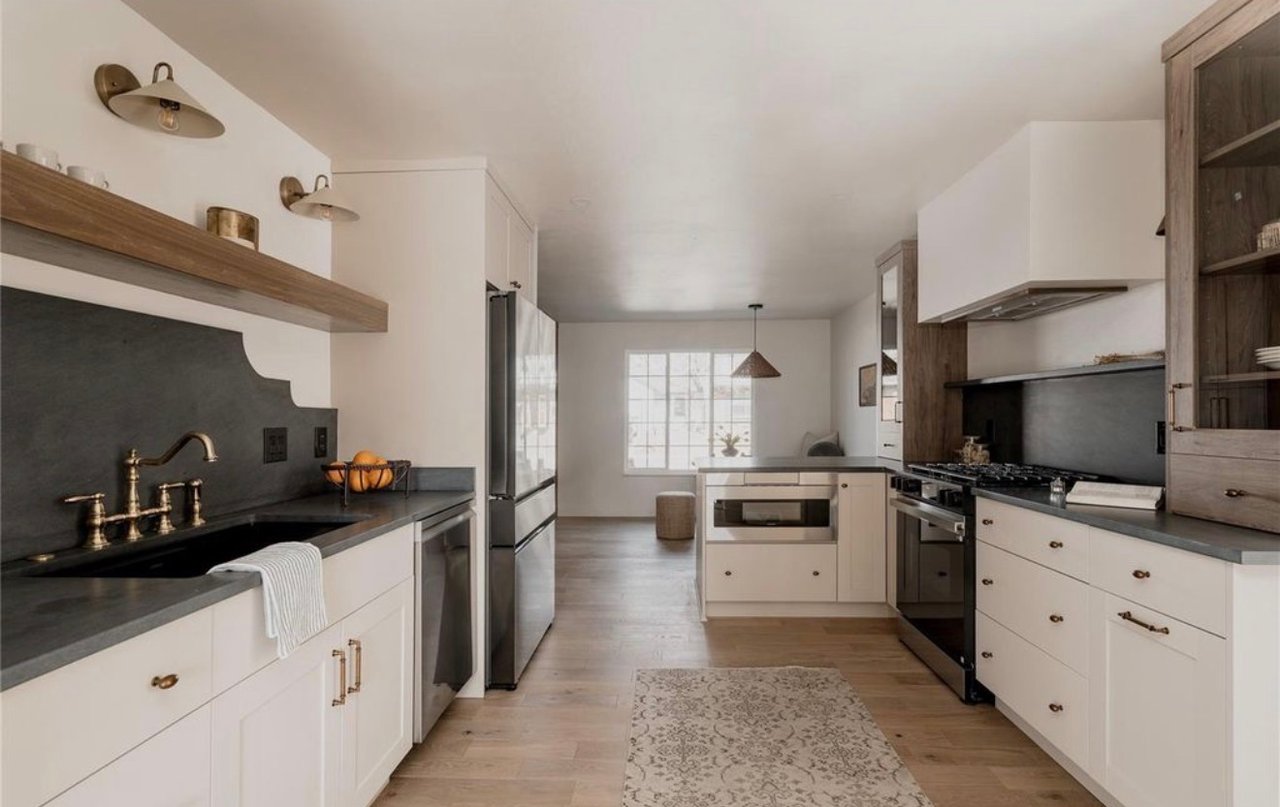
If it needs its own drawer or cabinet, it needs to earn that space. Kitchens sell homes and crowded cabinets make buyers assume the kitchen lacks storage, even when it doesn’t.
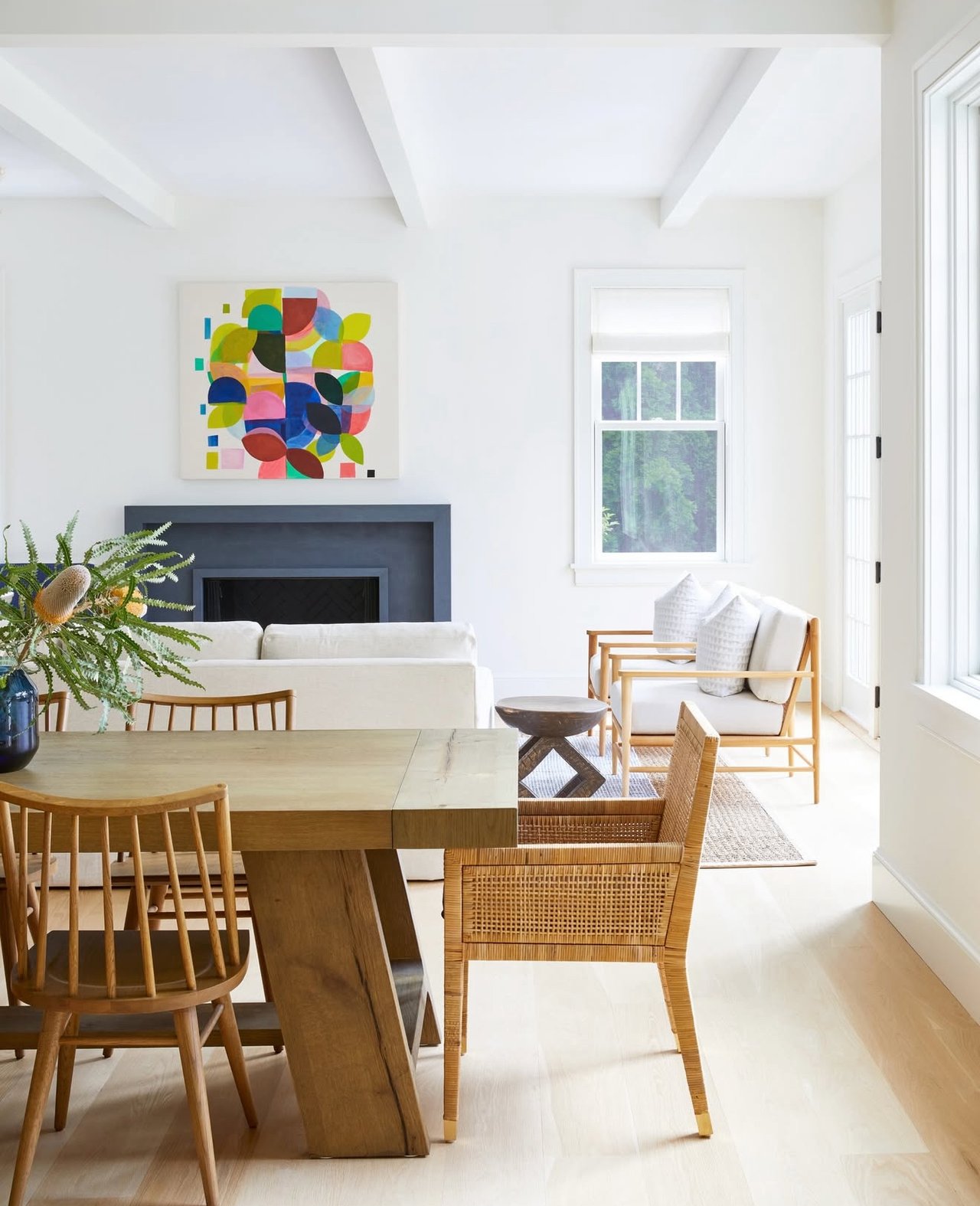
Two per seat is usually plenty. I regularly watch sellers box up eight to ten pillows they move every single night just to use their furniture.
If it creates daily friction, it’s not serving you.
Furniture should fit the scale of the space, not overwhelm it. Oversized pieces shrink rooms visually and make layouts feel awkward.
Rooms don’t need to be filled. They need to breathe.
Coffee mugs. Shot glasses. Magnets. Keychains. T-shirts that only get worn to sleep.
They feel meaningful in the moment, but they rarely earn a place in your next home. When selling, they read as clutter not memories.
This one surprises people. Many closets have double or triple the number of hangers as clothing. To buyers, that reads as insufficient closet space.
First impressions matter — especially in storage areas.
They crowd shelves, collect dust, and when it’s time to sell, they’re often tossed into a bag without a second thought.
Less visual noise creates a stronger emotional response.
If something exists only to hold items you don’t use, it’s not solving the problem it’s postponing it.
True organization reduces volume. It doesn’t disguise it.
Every item you own costs you something.
Space. Energy. Time. And eventually, money to move it.
When it’s time to sell, excess belongings turn into a problem that has to be solved quickly — often under pressure.
The goal isn’t to create a nightmare move. It’s to bring only what you actually want into your next chapter.
If selling is even a possibility on your horizon, this is the lens I help clients use before the boxes come out. Thoughtful preparation changes everything.
Schedule a consultation to plan your sale thoughtfully — long before the boxes come out.
Stay up to date on the latest real estate trends.



SEAMLESS TRANSACTION. EXCEPTIONAL RESULTS. EXPERT GUIDANCE FOR EVERY STEP.
LET'S CONNECT