
I Asked a Feng Shui Master What to Remove From a Home to Help It Sell Faster
Kara Johnston January 21, 2026
Kara Johnston January 21, 2026
You don’t need to believe in Feng Shui to understand this. Buyers may not articulate it as “energy,” but they absolutely register when a home feels heavy, blocked, or uncomfortable. They linger less. They engage less. And they’re quicker to move on.
After preparing homes for sale, I’ve seen how small, often overlooked details can quietly influence buyer perception. So I asked a Feng Shui master a simple question:
What should be removed from a home to help it sell faster?
Here’s what they said and why it works in real estate, whether you believe in energy or not.
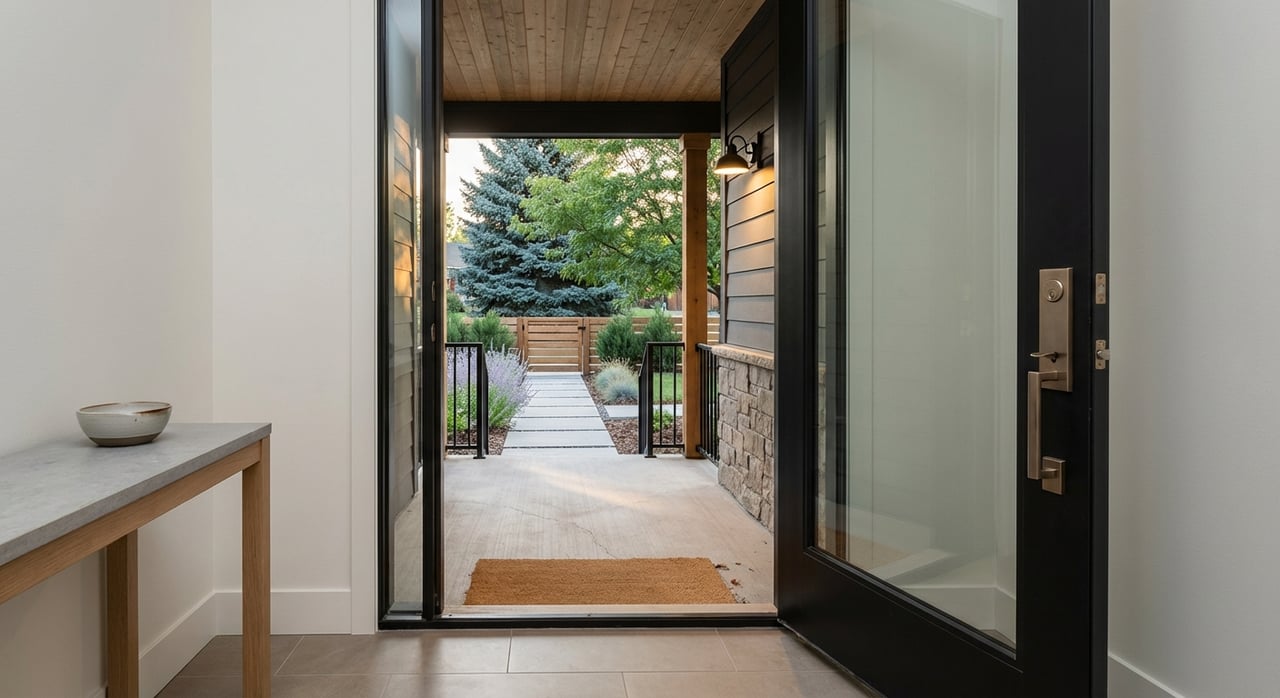
This one surprises a lot of people. In Feng Shui, a mirror directly facing the entry is believed to push energy straight back out including opportunity.
From a buyer’s perspective, it can feel jarring. The entry should feel open, calm, and welcoming. When a mirror hits you immediately, it interrupts that flow.
Instead, place mirrors on side walls where they reflect light, greenery, or architectural features. Used correctly, mirrors expand space without disrupting the sense of arrival.
This is one of the most important steps when preparing a home for sale.
Every face in a photo reminds buyers that someone else lives there and that subtly blocks them from imagining their own life in the space. Photos on walls, desks, nightstands, refrigerators, and shelves all pull attention away from the home itself.
The goal isn’t to erase warmth. It’s to create a blank canvas. Buyers need room to project their own story, not step into someone else’s.
This is the number one Feng Shui rule, and it aligns perfectly with real estate strategy.
Clutter slows energy and drains buyers, even when it’s out of sight. What many sellers miss is how powerful basement, garage, and closet clutter can be. Overfilled storage areas signal limitation. They make buyers feel like the home doesn’t have enough space.
As a rule of thumb, storage areas should be about 50 percent full. Space represents opportunity and buyers respond to that instantly.
Nothing kills momentum faster than brown leaves, wilting stems, or neglected greenery.
In Feng Shui, dead plants represent stagnation. In real estate, they quietly signal neglect. Buyers may not consciously clock it, but it affects how they feel about the home.
If you can’t keep a plant thriving during the listing period, remove it entirely. Replace only with healthy plants or fresh flowers that add life without demanding attention.
Candles, plug-ins, diffusers, room sprays, especially when layered together — are a hard no.
Heavy scent overwhelms a space and immediately raises suspicion. Buyers often wonder what’s being covered up. Strong fragrance also interferes with a buyer’s ability to emotionally connect with a home.
What works better is neutrality. Clean thoroughly. Open windows when possible. Let the home smell like nothing at all. A scent-free home feels honest, calm, and move-in ready.
That chipped vase. The cracked mirror. The door that doesn’t close properly.
In Feng Shui, broken items deplete a home’s life force. In real estate, they quietly communicate deferred maintenance. Buyers start to wonder what else hasn’t been taken care of.
Fix what you can. Remove what you can’t. Small repairs go a long way toward building trust.
You don’t have to believe in energy.
You just have to care about results.
Every one of these changes helps a home photograph better, show better, and feel easier to move through. They reduce friction. They create clarity. And they allow buyers to focus on the space, not distractions.
This is what it looks like to position a home thoughtfully before it hits the market.
Reach out to schedule a consultation if you’re thinking about selling. Knowing what to remove is one thing, but positioning a home so buyers feel it instantly is where my expert guidance makes the difference.
Stay up to date on the latest real estate trends.





SEAMLESS TRANSACTION. EXCEPTIONAL RESULTS. EXPERT GUIDANCE FOR EVERY STEP.
LET'S CONNECT