How To Price And Prepare Your Denver Home To Sell
Kara Johnston February 19, 2026
Kara Johnston February 19, 2026
Pricing your home right can be the difference between a smooth, top-dollar sale and weeks of price cuts. You want a clear plan that reflects your neighborhood, today’s buyer priorities, and what the market is doing right now. In this guide, you’ll learn how to price with confidence, make smart pre-listing updates, plan for Colorado disclosures and HOAs, and use a checklist that keeps you on track. Let’s dive in.
Within every city there can be a mosaic of micro-markets. Small location details and daily-life benefits often drive price and demand. Walkability to shops and restaurants tends to attract buyers who value a town-center of inter-connected feel. Homes near I-25 and Denver Tech Center appeal to buyers considering their commutes. Access to E470 means you can get on the road and head up to the mountains for winter activities or a hike. Emphasize easy highway access and time savings.
Proximity to green space to enjoy the outdoors, parks, trail networks and easy highway access to get up to the mountains adds lifestyle value. Emphasis to these attributes attract outdoor-focused buyers.
Buyers compare homes based on function, efficiency, and move-in readiness. According to national and local patterns, buyers consistently prioritize:
These preferences align with broader buyer data from the National Association of Realtors. See NAR’s overview of consumer trends in its quick statistics.
Start with 3 to 6 recent solds that closely match your home’s size, bed/bath count, lot, condition, and location. In a faster segment, focus on the last 30 to 90 days; in a slower or thinner segment, widen to 6 to 12 months and include pending and active listings to read current demand. Adjust for big value drivers like finished basements, kitchen and bath updates, larger lots, views, and school zones.
Use neighborhood level price-per-square-foot trends as a reality check. If your comp-based target sits well above nearby trends without clear justification, expect pushback and longer days on market. Pricing right at or slightly below market often maximizes showings and reduces the chance of later price cuts.
In the situation of multiple offers, appraisal language matters. Some buyers offer appraisal-gap coverage to bridge a low appraisal. You can choose between a higher headline price with a capped gap or a price closer to likely appraised value to reduce renegotiations. Review options and how gaps work in this appraisal contingency explainer, and keep a clean comps packet ready for the appraiser.
Address known safety or major system issues before you go live. Roof leaks, structural items, and HVAC or plumbing problems should be disclosed and, when possible, repaired. Colorado requires sellers to disclose known material facts. A pre-listing inspection can reduce surprises. Learn more about required disclosures from Nolo’s Colorado guide.
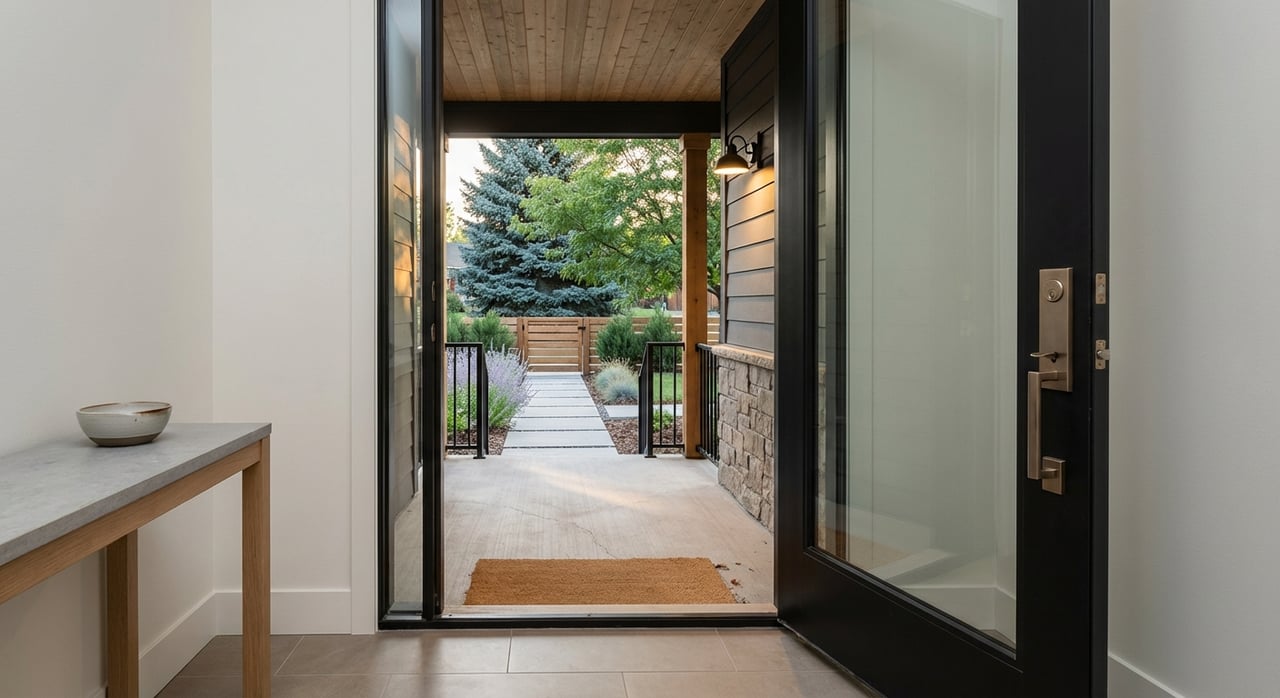
First impressions start at the street. Freshen landscaping, repair or repaint the front door, clean siding, and tidy the driveway and garage door. Industry Cost vs. Value reports show exterior improvements often deliver strong ROI. Review the latest high-ROI trends in this Cost vs. Value summary.
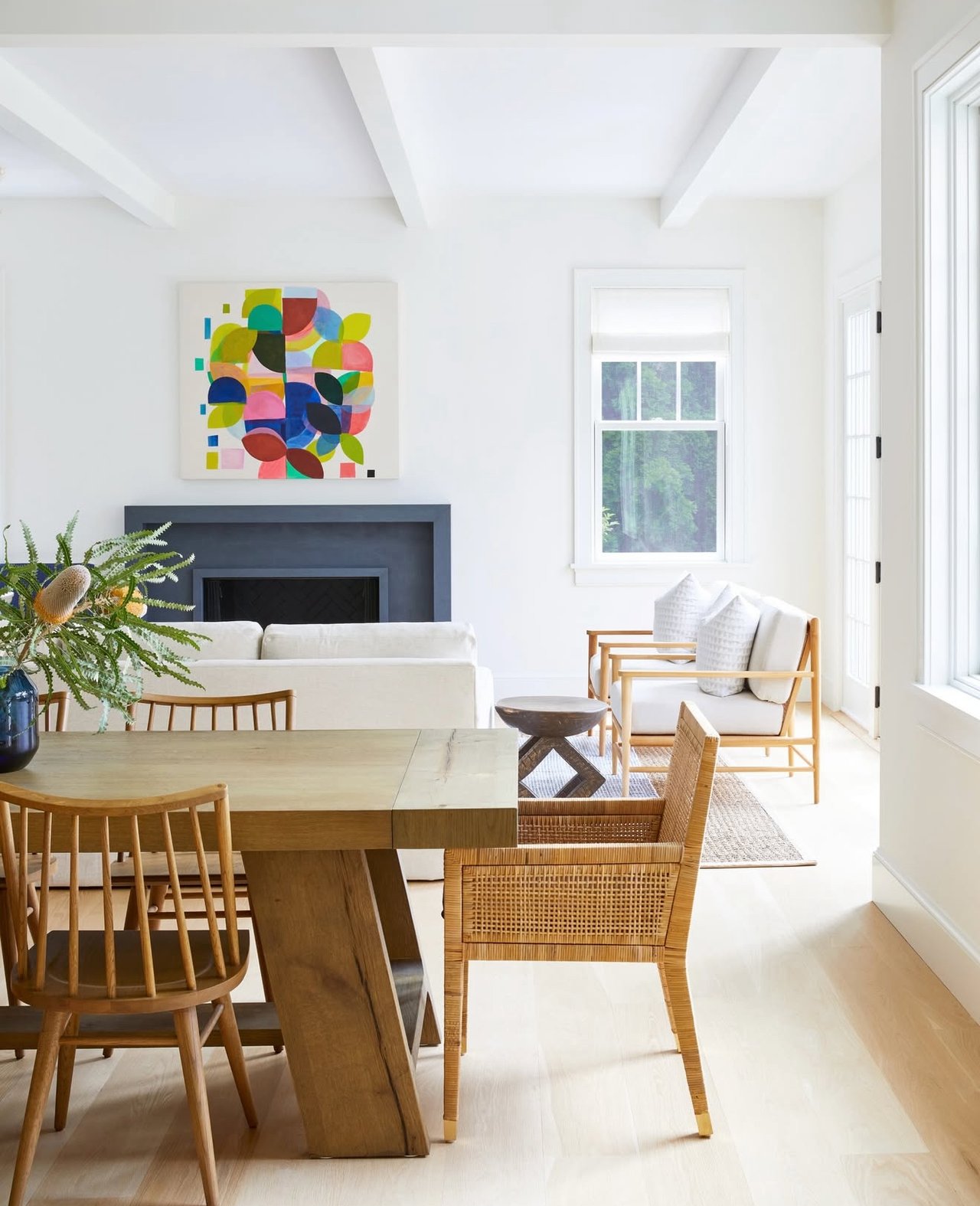
Neutral paint, updated lighting, deep cleaning, and removing clutter help your photos pop and your rooms feel larger. Replace worn carpet or refinish hardwoods if budget allows. These low-cost updates usually beat heavy renovations on return when you plan to sell soon.
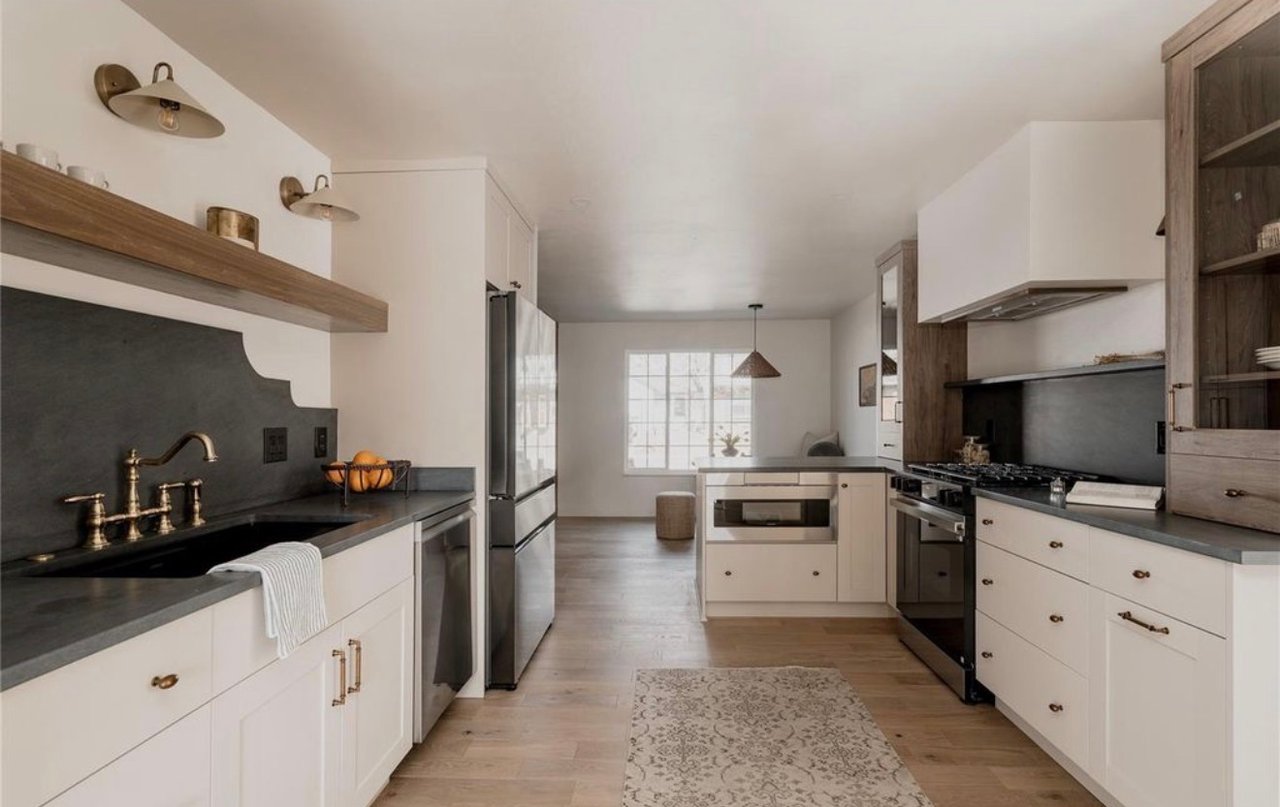
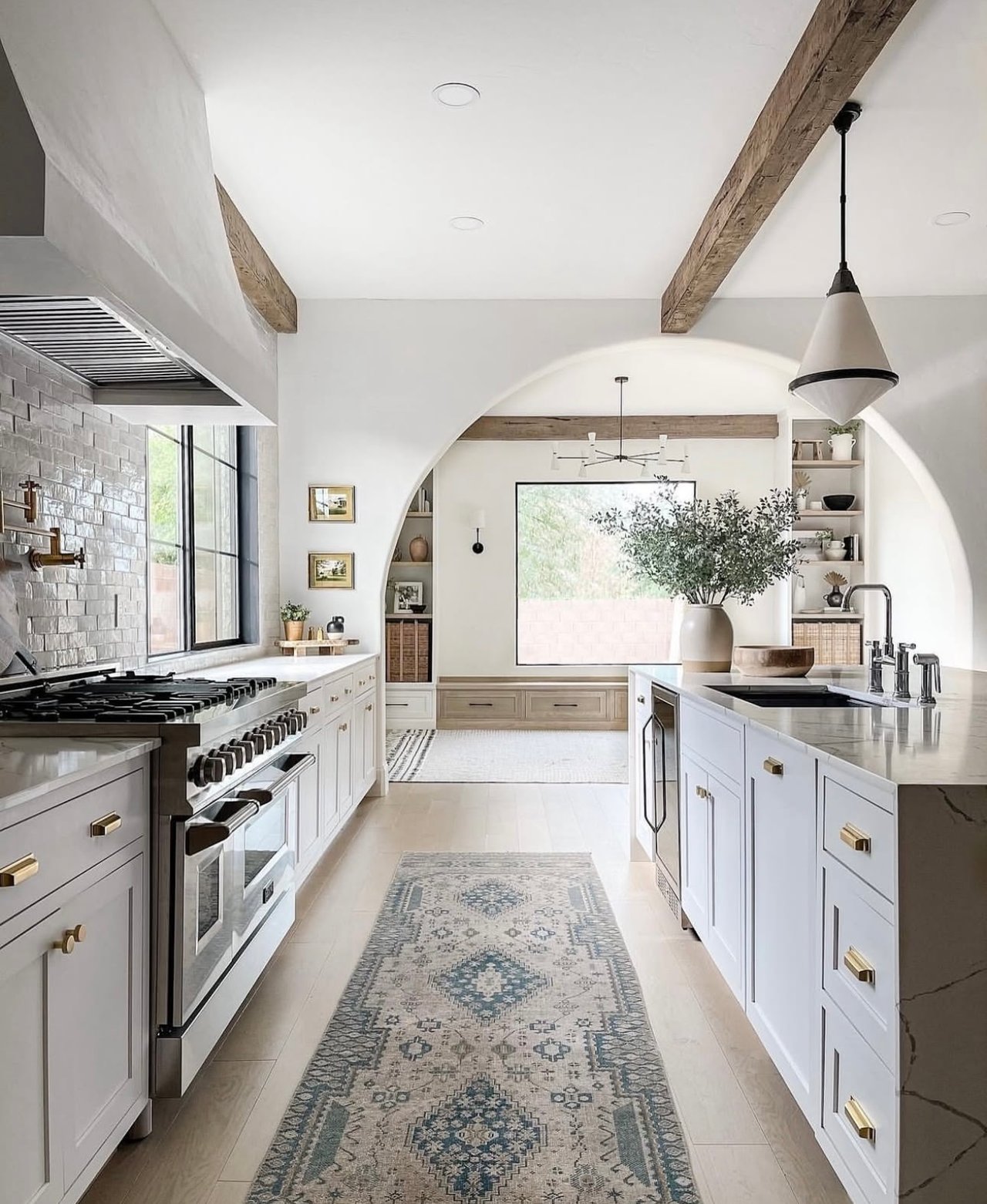
In many segments, a midrange refresh outperforms a full gut. Think painted cabinets, new hardware, better counters, fresh lighting, and a modern faucet set. Cost vs. Value reporting continues to rank minor kitchen projects among the best recoupers. Keep scope targeted and buyer-friendly rather than custom and niche. Explore ROI patterns in the Cost vs. Value summary.
Stage the rooms that sell first: living room, kitchen, and primary bedroom. Use neutral decor, clear traffic paths, and balanced lighting. Invest in professional photography and, if appropriate, a 3D tour or floor plan. NAR research shows staging helps buyers visualize and can shorten time on market, which supports stronger offers.
Colorado sellers typically complete a Seller’s Property Disclosure and must follow federal lead-based paint rules for homes built before 1978. Full and honest disclosure of known material facts helps prevent disputes. Find official guidance and standard resources at the Colorado Division of Real Estate.
If your home is in an HOA, collect HOA contact information, current dues, resale package details, and recent meeting minutes before you list. Being ready with records and timelines helps buyers move quickly and reduces contingency delays. The DRE provides helpful HOA resources at dre.colorado.gov.
Buyers pay close attention to carrying costs. Be ready to share your recent tax bills and any assessment notices.
Colorado’s standard contracts include clear paths for inspection and appraisal objections. Decide your preferences up front: price band, credits instead of repairs, appraisal-gap caps, and possession timing. For common forms and process examples, see this forms resource library.
You can strengthen your position without big price cuts. Consider:
Clean terms reduce friction and help you keep your target price intact.
6 to 8 weeks out
4 to 6 weeks out
2 to 3 weeks out
Listing week
If you want a strategic price, targeted prep plan, and disciplined negotiation from start to finish, connect with Kara Johnson. Request your home valuation and get a clear roadmap to your best sale.
Stay up to date on the latest real estate trends.




SEAMLESS TRANSACTION. EXCEPTIONAL RESULTS. EXPERT GUIDANCE FOR EVERY STEP.
LET'S CONNECT